
Spray Coater for Electrocatalyst Ink Coating Application


Spray Coater for Electrocatalyst Ink Coating Application

My customers would like to enquire about Spray coater variants for their application.
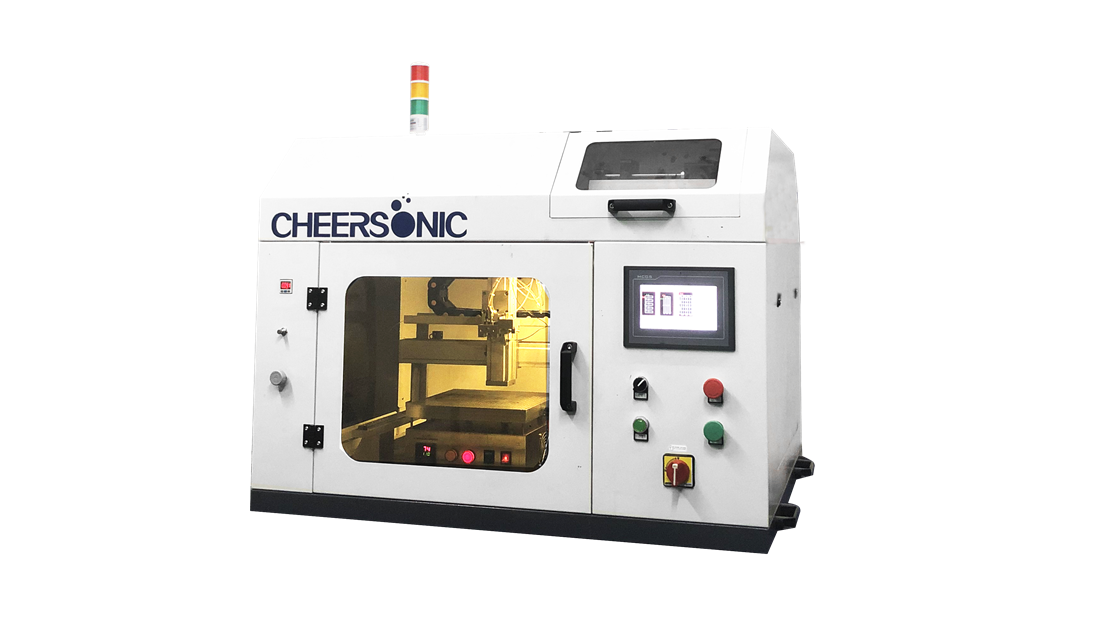
Spray Coater for Electrocatalyst Ink Coating Application - Cheersonic

Application my customers are looking at it for spray coating of electrocatalyst on substrates like carbon or metal foams/mesh/fibres for water electrolysis applications.

We suggest the UAM4000L ultrasonic spray coating equipment. UAM4000L ultrasonic spray coater can be used for electrocatalyst ink coating application.

Ultrasonic Fuel Cell Catalyst Coating Systems

Comments

Popular posts from this blog

Fuel Cells Enable Green Ships

  Fuel Cells Enable Green Ships Ship pollutant emission standards have become stricter, and  fuel cells  have become the first choice for green ships. With the improvement of ship environmental protection requirements, the power system adopts clean energy. As a power system with high energy efficiency, zero pollution and low vibration noise, fuel cell system is the first choice for the development of ship power plants in the future. China’s ship power system is dominated by diesel engines. There are problems such as low energy conversion rate, high fuel demand, and serious environmental pollution. With the rising demand for environmental protection, at the end of 2019, 712 exhibited its own research and development at the Shanghai International Maritime Exhibition. The key performance indicators of the 500kW-class marine hydrogen fuel cell system have reached the international advanced level. my country has made major breakthroughs in the study of clean fuel cell ships. A...

Fuel Cell Manufacturing Using Ultrasonic Spray Technology

Fuel Cell Manufacturing Using Ultrasonic Spray Technology A variety of fuel cells utilize catalysts at both the anode (to oxidize fuel and convert it to protons/hydrogen cations and electrons) and the cathode (convert hydrogen cations and oxygen to water), often precious metal, nanocarbon, or other nanomaterial-based. Doped carbon nanotubes and core-shell metallic or composite nanoparticles are two examples of such. Such catalyst materials need first to be synthesized and then coated onto electrode and/or membrane surfaces for use in fuel cells. Solid oxide fuel cells (SOFCs) that do not utilize catalyst coatings are also of interest. Cheersonic high-temperature nozzles, nebulizers, and particle generators can be used for fuel cell catalyst nanomaterial synthesis via chemical vapor deposition and/or spray pyrolysis techniques. Moreover, Cheersonic can custom manufacture AACVD and spray pyrolysis systems for fuel cell catalyst synthesis, based on customer goals and requirements, whether...

Voltage reversal phenomenon is one of the main culprits of fuel cell failure!

Voltage reversal phenomenon is one of the main culprits of fuel cell failure! Operation errors, harsh working conditions and the anode gas shortage caused by the external environment are the main culprits for the voltage reversal. The voltage reversal is mainly accompanied by the water electrolysis reaction and the carbon corrosion reaction, and the attenuation of the battery cannot be reversed. Optimizing system control strategies and developing anti-reverse electrode materials are the main countermeasures. Cost, performance and durability are the three major obstacles to the commercialization of proton exchange membrane fuel cells. Among them, durability refers to the ability of a material or product to resist the long-term destructive effects of both itself and the objective environment. Generally, the working conditions that accelerate fuel cell degradation (affect durability) include start-stop, freezing/melting, idling (high potential), dry/wet cycle, and variable load. The parti...